
If you use oil to heat your home in Massachusetts, New Hampshire, or Maine, your fuel costs now depend on more than just supply and demand. Local policymakers are reshaping the energy landscape, with heating oil a key focus. It’s important to understand what’s coming and how it could affect your home before the next heating season.
Townsend Energy has helped New England homeowners for more than 90 years. We’ve seen fuel markets shift, regulations change, and homes evolve. The changes happening now are bigger and moving in a new direction. Switching from heating oil to propane isn’t just about picking a fuel anymore. It’s about managing long-term costs and protecting your home.
Talk to our team about switching your home in Massachusetts, New Hampshire, or Maine to propane. Contact us at (978) 717-0490 to set up a consultation.
The Regulatory Pressure on Heating Oil Is Already Here
Massachusetts now requires heating fuel suppliers to report greenhouse gas emissions under 310 CMR 7.71. Heating oil and propane retailers must submit quarterly CO2 emissions reports for fuel delivered in Massachusetts. Starting in 2026, they’ll also need to meet the Clean Heat Standard.
So what does this mean for you? When suppliers face higher compliance costs, those costs get passed on to homeowners. For heating oil, extra compliance payments are expected to start at about eight cents per gallon and could rise to over 80 cents per gallon by 2030. These costs won’t stay with the supplier.
Maine is following a similar path. From 2018 to 2024, the number of Maine households using heating oil as their main heat source decreased by nearly 20 percent, mainly due to state-funded heat pump programs. State policies are working to phase out oil in homes. New Hampshire hasn’t adopted a Clean Heat Standard, but as part of the regional energy market, it still feels the effects of these changes.
What Oil Homeowners Are Actually Exposed To
The risks for homes heated with oil aren’t just about the price per gallon. Consider what’s stored in your basement or buried in your yard.
Underground and above-ground oil tanks come with risks that many homeowners don’t realize. In Massachusetts, costs to clean up a heating oil leak can reach or exceed $100,000 when contaminated soil must be removed and the area cleaned. A Massachusetts Senate bill passed in 2024 improved consumer protections, but the property owner remains responsible for the spill itself.
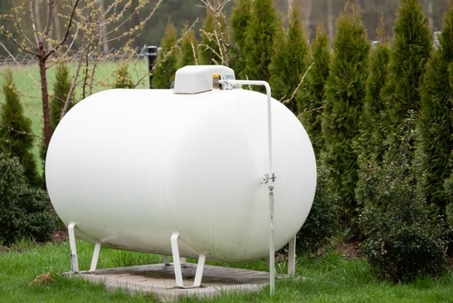
Propane systems don’t carry those risks because it doesn’t contaminate soil like heating oil. If a line leaks, the gas disperses safely. There’s no need for cleanup, no MassDEP paperwork, and no huge costs.
Propane Is Positioned Well in a Changing Regulatory Environment
Propane’s expected compliance costs under Massachusetts’ Clean Heat Standard are lower than those for heating oil through 2030. Propane is also known as a clean-burning transitional fuel and has strong support in rural areas of New England, where most homes aren’t connected to natural gas pipelines.
Beyond compliance costs, propane integrates with high-efficiency systems that increasingly shape what a modern, resale-ready home looks like.
Propane-compatible systems give homeowners access to:
- High-efficiency boilers and furnaces – Propane equipment operates at efficiency ratings that meet or exceed most state energy standards, without the retrofit complexity of a full electrification project.
- Whole-home standby generators – Propane generators provide automatic backup power during the ice storms and nor'easters that define New England winters. Our licensed technicians handle installation and fuel delivery as part of a single relationship.
- Hybrid heating configurations – Propane pairs cleanly with heat pump systems, giving homeowners flexibility as electrification incentives expand across the region.
- Renewable propane blends – As renewable propane becomes more widely available, existing propane systems are compatible without equipment replacement.
Our technicians evaluate each home before suggesting conversion options, making sure the equipment you choose fits your actual load, layout, and long-term goals.
Oil Pricing Is Tied to Global Variables You Cannot Control
Heating oil prices in New England depend on global crude markets, refining capacity, and shipping. When world events disrupt supply chains, homeowners here see the effects in their heating bills.
Propane prices in the U.S. are mostly influenced by domestic production. While they can still change, these factors are different and often more predictable for homeowners during the heating season.
By moving away from imported crude fuel, you reduce the risk of relying on a single source for heating each winter.
Converting Now Puts You Ahead of the Cost Curve
The strongest reason to switch to propane is timing. Compliance surcharges for heating oil suppliers will go up. As the market shrinks, there will likely be less investment in oil delivery infrastructure in rural Massachusetts, New Hampshire, and Maine. More homebuyers are also asking about fuel type and storage risks before making an offer.
Switching to propane before these changes add up puts you in a better financial position than waiting.
Townsend Energy manages propane conversions throughout Massachusetts, New Hampshire, and Maine, from the first assessment to installation and ongoing fuel delivery. We’ve served these communities since 1931 and use the same careful process for every conversion: we assess your home, recommend an appropriate option, install it right, and stand by our work.
Our licensed technicians are available for propane conversion consultations in Massachusetts, New Hampshire, and Maine. Call (978) 717-0490 or send us a message online to schedule an appointment.