
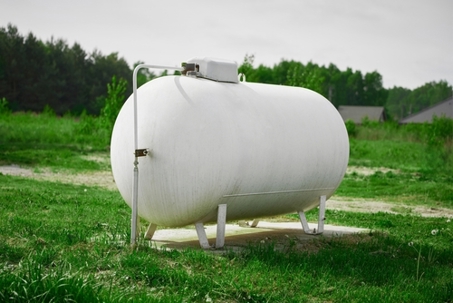
If you use oil to heat your home in Massachusetts, New Hampshire, or Maine, you’ve probably noticed changing fuel prices, yearly maintenance bills, and older equipment. Many homeowners in the area are switching to propane for reasons that go beyond just the fuel itself.
Townsend Energy helps homeowners throughout New England who are considering this change. Switching from oil to propane affects your heating, service costs, system features, and even how buyers see your home. This post covers what to expect so you can decide with confidence.
Homeowners in Massachusetts, New Hampshire, and Maine switch from oil to propane. To see if it’s right for your home, call (978) 717-0490 or contact our team online.
Lower Maintenance Costs and More Predictable Pricing
Propane burns cleaner than oil, so your system needs less maintenance. Burning oil creates soot and residue that collect in heat exchangers, nozzles, and flues. With propane, there’s much less buildup, which means fewer service calls, fewer parts to replace, and a longer life for your equipment.
Propane furnaces and boilers are usually 90 to 98 percent efficient, while oil systems are typically 80 to 87 percent efficient. Over a full heating season, especially in New England’s cold winters, that difference can really add up.
Price is another key factor. Heating oil prices often change more than propane prices, and many propane suppliers offer agreements that let you lock in your rate for several years. It’s hard to get that kind of price stability with oil.
A Cleaner Fuel with Less Environmental Risk
Propane produces lower emissions than heating oil and creates much less particulate matter during combustion. If you’re concerned about your environmental impact, this difference matters, and you don’t have to give up a reliable fuel source.
Storage is another concern. Older oil tanks in New England basements and yards can leak, potentially polluting soil and groundwater and becoming a costly problem for homeowners. Propane tanks don’t have this risk. If propane leaks, it simply disperses into the air instead of soaking into the ground.
Propane is non-toxic. Its cleaner flame and quieter operation often lead to better indoor air quality after you switch.
Whole-Home Versatility from a Single Fuel Source
Many people don’t realize how many home systems propane can support. When you switch, you’re not just changing your heating fuel; you’re choosing an energy source that can power your whole property.
With propane, a single fuel source powers:
- Space heating – Propane furnaces and boilers deliver reliable, efficient warmth through New England winters, including during extended cold snaps that challenge electric alternatives.
- Domestic hot water – Tankless propane water heaters provide continuous hot water on demand and deliver higher output than most electric water heaters.
- Cooking ranges – Gas cooking remains a preference for homeowners who want precise temperature control and consistent results.
- Clothes dryers – Propane dryers operate efficiently and are gentler on fabrics than electric alternatives.
- Standby generators – Propane generators run cleaner and longer than diesel units, making them a strong choice for storm preparedness across the region.
- Pool heaters, fireplaces, and outdoor kitchens – Propane extends to outdoor living spaces, including patio heaters and grills, without the hassle of refilling 20-pound cylinders.
Using a single fuel for your whole home makes delivery, service, and budgeting easier across all your systems.
Energy Independence and Storm Reliability
New England winters can bring ice storms, power outages, and long cold spells that put home energy systems to the test. Because propane is stored on your property, you’re not relying on the grid. If the power goes out and your neighbor’s electric heat pump stops working, your propane system and standby generator can keep your home warm and your lights on.
Oil systems have their own problems in cold weather. Oil lines can freeze, and older tanks might have moisture issues. Propane doesn’t have these problems, and because it’s stored at your home, you’re not affected by utility rate hikes or delivery delays like you might be with grid-based systems.
How Converting Affects Your Home's Value
Old oil tanks and worries about environmental cleanup are common concerns for homebuyers in Massachusetts, New Hampshire, and Maine. Switching to propane removes this worry before it becomes an issue during a sale.
Modern propane systems are considered an upgrade. Buyers, including environmentally conscious families and second-home owners, often prefer homes that have already made the switch. It’s a practical improvement that can help your home stand out in the market.
Making the Switch with Confidence
Switching from oil to propane is a big decision, and the details matter. The size of your equipment, the quality of the installation, and the service you get afterward all affect how well your new system performs.
Townsend Energy has served New England homeowners since 1931. Our technicians start every conversion with a thorough inspection. We assess your home’s heating needs, suggest the right equipment, and keep supporting you after installation through our Townsend360 membership program. This means fewer emergency calls, cleaner service visits, and one point of contact for all your home energy needs.
If you're ready to explore an oil-to-propane conversion for your home in Massachusetts, New Hampshire, or Maine, call (978) 717-0490 or submit an online form to schedule a consultation with our team.