
Winter in New England brings beautiful snow-covered landscapes, cozy evenings by the fire, and unfortunately, the very real risk of frozen pipes. When temperatures drop below freezing, the water inside your pipes can freeze, expand, and cause pipes to crack or burst—leading to expensive water damage and emergency repairs. The good news is that you can take steps to identify warning signs early and protect your home before disaster strikes.
Don't wait for a burst pipe emergency. If you suspect frozen pipes or need help winterizing your plumbing system, call Townsend Energy at (978) 717-0490 or fill out our online contact form right away.
Why Do Pipes Freeze in New England Homes?
New England winters are notoriously harsh, with temperatures regularly dipping well below 32°F for extended periods. When the water inside your pipes gets cold enough, it freezes and expands. This expansion puts tremendous pressure on the pipe walls—whether they're made of metal or plastic—and can cause them to crack or split open.
The pipes most at risk are those located in unheated areas of your home. Basements, crawl spaces, attics, and exterior walls are common trouble spots. Outdoor hose bibs and pipes in uninsulated garages are especially vulnerable. Even pipes that run through cabinets along exterior walls can freeze when temperatures plummet.
Warning Signs Your Pipes Might Be Frozen
Catching frozen pipes early can mean the difference between a simple fix and thousands of dollars in water damage. Here are the key warning signs to watch for during cold snaps:
Reduced Water Flow or No Water at All
Turn on your faucets during freezing weather. If only a trickle comes out or nothing happens when you turn the handle, you likely have a frozen pipe somewhere in the line. This is one of the most obvious signs that ice has formed and is blocking water flow.
Frost on Exposed Pipes
Take a flashlight and inspect any visible pipes in your basement, crawl space, or under sinks. If you see frost forming on the outside of a pipe, the water inside is freezing or already frozen. Pay special attention to pipes along exterior walls.
Strange Smells Coming from Drains
When a pipe freezes, it creates a complete blockage. This means odors from your drains and sewer lines have nowhere to go except back up into your home. If you notice unusual smells coming from your sinks or drains during a cold spell, it could indicate a frozen pipe.
Visible Bulging or Cracks
In some cases, you might actually see physical changes to your pipes. Bulging, warping, or small cracks are signs that ice has expanded inside and damaged the pipe. If you spot these signs, shut off your water immediately and call for help.
Which Pipes Are Most at Risk?
Not all pipes in your home face the same level of risk during freezing temperatures. Understanding which areas are most vulnerable helps you focus your prevention efforts where they matter most.
Pipes in these locations need extra attention:
- Exterior walls: Pipes running through outside walls have less insulation protecting them from cold air
- Unheated spaces: Basements, crawl spaces, attics, and garages without climate control are prime spots for freezing
- Kitchen and bathroom cabinets: Pipes under sinks along exterior walls don't get much warm air circulation
- Outdoor fixtures: Hose bibs, outdoor faucets, and sprinkler system pipes are directly exposed to the elements
Homes built on crawl spaces rather than basements often face higher risks because the pipes have more exposure to cold air moving underneath the house. Older homes with less insulation are also more susceptible to frozen pipe problems.
Practical Steps to Prevent Frozen Pipes
Taking action before temperatures drop can save you from dealing with a plumbing emergency in the middle of a snowstorm. These preventive measures are your best defense against frozen and burst pipes.
Keep Your Home Warm
The simplest way to prevent frozen pipes is to maintain adequate heat throughout your home, even in areas you don't use regularly. Set your thermostat to at least 55°F, even when you're away or asleep. The cost of a slightly higher heating bill is far less than the cost of repairing burst pipe damage.
Open cabinet doors under sinks to allow warm air to circulate around the pipes. This is especially important for cabinets along exterior walls. You can also leave interior doors open to improve heat circulation throughout your home.
Insulate Vulnerable Pipes
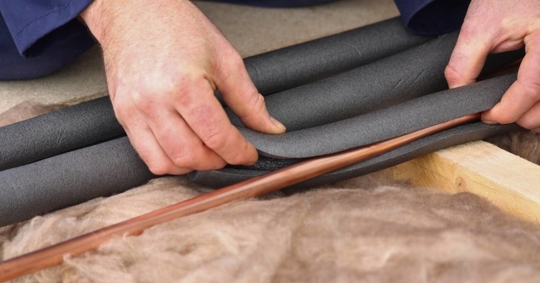
Pipe insulation is inexpensive and easy to install. Foam pipe sleeves, available at any hardware store, slip right over exposed pipes in basements, crawl spaces, and attics. For extra protection in extremely cold areas, consider heat tape or heat cables that provide active warming.
Don't forget about your outdoor faucets. Insulated faucet covers provide an extra layer of protection for hose bibs and outdoor spigots. Before installing covers, disconnect all garden hoses and drain any remaining water from the lines.
Let Faucets Drip
When temperatures are expected to drop into the teens or below, let faucets connected to vulnerable pipes drip slowly overnight. Moving water is much less likely to freeze than standing water. Even a small trickle can prevent ice from forming inside the pipe.
Focus on faucets farthest from your main water line or those supplied by pipes running through exterior walls. Both hot and cold water lines can freeze, so let both sides drip if needed. The small amount of water you'll use is worth avoiding a burst pipe.
Seal Cracks and Openings
Cold air can enter your home through surprisingly small openings. Walk around your basement and crawl space looking for cracks, gaps, or holes where pipes enter your home. Seal these openings with caulk or spray foam insulation to keep cold air out.
Check for drafts around windows and doors near pipes. Weather stripping and door sweeps are simple fixes that keep cold air from reaching vulnerable plumbing. Don't overlook areas where cables, wires, or vents pass through exterior walls—these are common entry points for frigid air.
What to Do If You Suspect a Frozen Pipe
Despite your best efforts, you might still end up with a frozen pipe during an especially cold stretch. Quick action can prevent a frozen pipe from becoming a burst pipe.
First, locate the frozen section by checking which faucets aren't working. The frozen pipe is somewhere between the main water line and that fixture. If you can access the frozen pipe, open the affected faucet before you begin thawing—this allows melting ice and steam to escape rather than building up pressure.
Never use an open flame, propane torch, or other high-heat source to thaw pipes. The rapid temperature change can cause pipes to burst, and you risk starting a fire. Instead, use a hair dryer, heat lamp, or warm towels to gently warm the pipe starting from the faucet end and working backward toward the frozen section.
If the frozen pipe is inside a wall or you can't locate it, don't try to handle it yourself. Professional help from an experienced plumbing team can safely thaw the pipe and check for damage before it becomes a bigger problem.
Protect Your New England Home from Frozen Pipes This Winter
Frozen pipes are one of winter's most common and costly home emergencies, but they don't have to be inevitable. By staying alert to warning signs, taking preventive action, and knowing when to call for professional help, you can protect your home from water damage all winter long. Regular maintenance and simple winterization steps give you peace of mind when the temperature drops.
Townsend Energy has helped New England homeowners throughout Massachusetts, New Hampshire, and Maine stay comfortable and protected during even the harshest winter conditions.
If you need help winterizing your pipes, dealing with a frozen pipe situation, or want a professional assessment of your home's vulnerable areas, we're here to help. Call us at (978) 717-0490 or contact us through our online contact form today.