
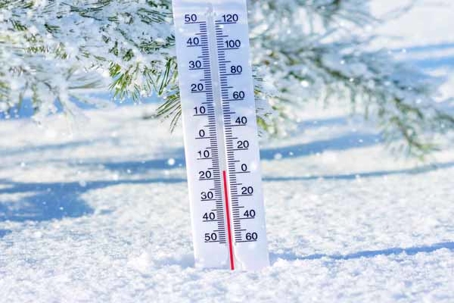
Do I Have to Worry About My Propane Freezing?
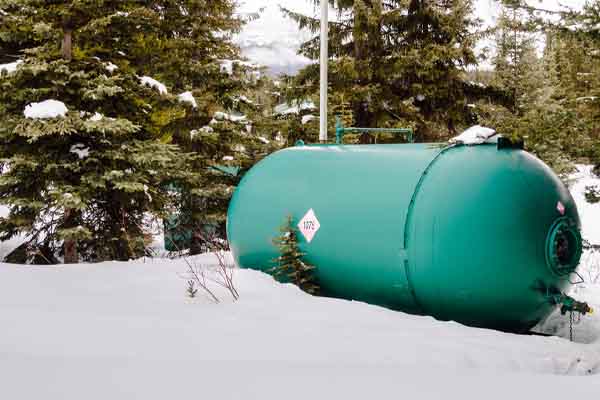
If you heat your home with propane, you've probably wondered what happens to your tank when temperatures plummet. The short answer: propane doesn't freeze the way water does, but extreme cold absolutely affects how it performs — and knowing the difference could save you from a cold house in the middle of a New England winter.
At What Temperature Does Propane Freeze?
Propane's freezing point is -306°F (-188°C) — far colder than anything you'll see in New Hampshire, Massachusetts, or Maine. So technically, your propane isn't going to turn into a solid block.
The real issue is vapor pressure. Propane is stored as a liquid in your tank, but your appliances run on propane vapor. As temperatures drop, the liquid propane inside the tank loses pressure and has a harder time vaporizing. Once temperatures fall below -44°F (-42°C), propane can no longer vaporize at standard pressure — meaning your appliances may stop getting fuel even if there's plenty of liquid left in the tank.
Most of New England doesn't regularly hit -44°F, but you don't need to get that cold to have problems. Tanks running low on fuel, improperly sized tanks, or tanks buried under snow can all see pressure issues well above that threshold.
Signs Your Propane Tank Is Too Cold
Watch for these warning signs during a cold snap:
- Pilot lights that won't stay lit or keep going out
- Burners that ignite but run at low flame
- Appliances cycling off unexpectedly
- Your furnace short-cycling or failing to keep up with the thermostat
- A regulator that appears frosted or iced over
If you're experiencing any of these during a cold stretch, a low or undersized tank is often the culprit — not a mechanical failure.
How to Prevent Propane Freeze-Ups
The good news is that most cold-weather propane problems are preventable.
Keep your tank at least 30% full. A fuller tank maintains higher vapor pressure, which helps your appliances perform consistently even when temperatures drop. Running low in winter is the single most common cause of cold-weather propane issues.
Right-size your tank for your home. A 100-gallon tank that works fine in fall can struggle to keep up with a whole-home heating demand in January. If your tank is undersized for your square footage or appliance load, you may experience pressure drops during peak demand — even when the tank isn't empty. Our team can help you evaluate the right tank size for your home.
Clear snow and ice from around the tank. Snow buildup insulates the tank from any ambient warming and can block the regulator. After a major storm, make sure the area around your tank is clear.
Consider tank placement. Tanks installed in shaded, north-facing areas will stay colder longer. If you're installing a new tank, a spot with some sun exposure can make a meaningful difference in cold-weather performance.
Sign up for automatic delivery. The easiest way to avoid cold-weather propane problems is to never run low in the first place. Townsend Energy's automatic delivery program monitors your usage and schedules deliveries before you hit low levels — no guessing, no emergency calls.
When to Call for Emergency Propane Delivery
If your propane runs out or your system stops working during a cold snap, don't wait. Call Townsend Energy at (978) 717-0490 — we offer 24/7/365 emergency delivery across NH, MA, and ME. Running completely out of propane creates an additional safety requirement: a licensed technician must perform a leak test and system restart before your appliances can be turned back on, so catching it before you hit empty is always the better outcome.
FAQ
Can propane freeze solid?
No. Propane's freezing point is -306°F, which is far below any temperature seen in New England. The cold-weather performance issues homeowners experience are related to vapor pressure dropping in the tank — not the propane freezing.
What happens if propane freezes (or gets too cold)?
When propane gets extremely cold, it can no longer vaporize efficiently. This causes a drop in vapor pressure inside the tank, which means your appliances may not receive enough fuel to run properly. Symptoms include pilot lights going out, low burner flames, and a furnace that can't keep up with demand.
Does propane freeze faster than natural gas?
Natural gas is delivered through pipelines under consistent pressure, so it's not affected by outdoor temperature the way a propane tank is. Propane stored in outdoor tanks is more exposed to ambient temperature changes, which is why cold-weather management (keeping tanks full, proper sizing) matters more for propane homeowners.
Explore Our Propane Delivery Services
Call To Learn More About Our Propane Delivery Services
Get Superior Propane Delivery Services by Calling Townsend Energy

When you want first-rate propane delivery services in New England, get in touch with Townsend Energy. Our fuel delivery services are friendly, affordable, and fast. You can trust us to give you unbeatable service every time. Call us now to find out more about our financing options and available propane delivery plans.
We also have a complete line of HVAC services for enhancing home comfort, improving indoor air quality (IAQ), and boosting energy efficiency. Among some of our available services are HVAC tune-ups, installation, maintenance, and repairs. Contact Townsend Energy now! Click the link to view our service area.
Explore Our Library Of Case Studies
Contact us now at (978) 717-0490 to find out more!