
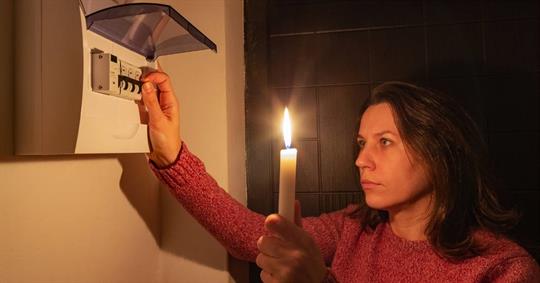
In New England, storms can arrive with little warning and leave neighborhoods in the dark for hours—or even days. Power outages disrupt more than just lighting; they can affect heating, refrigeration, communication, and your family’s sense of security. With some thoughtful preparation, you can keep your home running smoothly, even when the grid goes down.
For immediate help with your electrical needs or to discuss backup power options, don't wait for a storm. Contact us today via our online contact form or call (978) 717-0490 to get started.
Understanding Common Causes of Power Outages in New England
Power outages in our region can be caused by a variety of factors, from severe weather to local utility issues. Understanding what triggers these outages can help you anticipate when you might be affected. Winter storms, like nor’easters, often bring heavy snow, ice, and strong winds that can down power lines and damage electrical infrastructure. These conditions can cause widespread outages that last for days.
In the warmer months, summer thunderstorms with lightning and high winds can also knock out power, sometimes without much warning. Even non-weather events, such as accidents involving utility poles or equipment failures, can lead to localized outages. Preparing for these diverse scenarios is key to staying safe and comfortable.
Your Essential Power Outage Emergency Kit
Having an emergency kit ready is the first and most critical step in preparing for a power outage. This kit should be easily accessible and contain the essentials you'll need to get by for at least a few days. Think about what your family would need to stay safe, informed, and comfortable if your home's power was completely out. Your kit should include:
- Lighting and Communication: Stock up on flashlights, headlamps, and extra batteries. Avoid candles, as they are a fire hazard. A battery-powered or hand-crank radio is also crucial for staying updated on weather alerts and restoration efforts.
- Non-Perishable Food and Water: Keep a supply of non-perishable food items that don’t require cooking, like canned goods, protein bars, and dried fruit. Don’t forget a manual can opener. Store at least one gallon of water per person per day for drinking and sanitation.
- First Aid and Personal Supplies: A well-stocked first aid kit is a must, along with any necessary prescription medications. Hand sanitizer, wet wipes, and personal hygiene items are also important.
- Power and Heat: Include a portable power bank to charge your phone and other small electronics. If you rely on heating oil, it’s a good idea to keep your tank at least half-full, especially heading into winter. This helps prevent sludge buildup and ensures you have a reliable fuel source.
Having these items organized in a designated spot means you won't have to scramble when a storm is on the horizon. After the storm, check your supplies and replace anything that was used.
The Role of Backup Generators in Home Preparedness
For many New England homeowners, a basic emergency kit isn't enough. A standby generator can provide a more robust solution, offering continuous power to your entire home or critical circuits during an outage. Unlike portable generators that require manual setup and refueling, a standby generator is permanently installed outside your home, similar to an air conditioning unit. It runs on propane or natural gas and automatically turns on within seconds of a power outage, so you don’t have to do a thing.
Choosing the right generator involves several factors, including the size of your home and which appliances you want to power. A professional can help you determine the right size generator to meet your specific needs. Whether you want to power just your refrigerator and lights or your entire home, including your heating system and water heater, there’s a solution for you. For more information on backup power solutions and installations, visit our
Protecting Your Home’s Electrical System
Power outages, especially those caused by lightning or severe weather, can sometimes lead to power surges that damage sensitive electronics and appliances. Protecting your home’s electrical system is a crucial step in preparing for these events. This includes everything from your wiring to your main electrical panel. Here are some proactive steps you can take to safeguard your electrical system:
- Install a Whole-House Surge Protector: This device is installed at your main electrical panel and protects all the appliances and electronics in your home from sudden voltage spikes. It provides a much higher level of protection than simple power strips.
- Check Your Wiring: Older homes in New England may have outdated or frayed wiring that can pose a safety risk, especially during a power surge. Have a professional electrician inspect your wiring to ensure it is up to code and in good condition.
- Consider a Panel Upgrade: If your home's electrical panel is old, it might not be able to handle the demands of modern appliances and a backup power system. Upgrading your panel can improve safety and ensure your electrical system can handle a generator or other backup power solutions.
Taking these steps helps ensure your electrical system is ready for an outage and the power surge that may accompany it. If you’re concerned about the state of your home’s electrical system, our professional electricians can perform a thorough inspection and provide a safety assessment.
What to Do During an Outage
Once the power goes out, having a plan keeps stress levels lower and your family more comfortable.
- Keep refrigerator and freezer doors closed to preserve food as long as possible.
- Unplug sensitive electronics to prevent damage from surges when power is restored.
- Rely on flashlights, not candles, to reduce fire risk.
- Monitor local updates on your phone or battery-powered radio for information about restoration timelines.
These steps make it easier to manage daily routines until power returns.
Protecting Your Home After Power Returns
When the lights come back on, it may be tempting to get right back to normal, but a quick check can help avoid problems. Walk through your home to make sure heating, cooling, and electrical systems are operating correctly. If you notice any damage—such as tripped breakers, unusual smells, or malfunctioning outlets—schedule electrical repair services before using equipment again.
Power outages are part of life in New England, but you do not have to be caught off guard. From generator solutions to reliable electrical services, Townsend Energy is here to help your household stay ready for the next storm.
Get in touch with us through our online contact form or call (978) 717-0490 to learn how we can help you prepare.